Flower Notebook Vol. 05: A Versatile Lined Interior Design
Creating a notebook that people want to pick up day after day begins well before the cover design. The interior pages set the tone, shape the writing experience, and ultimately determine how the user feels while filling those lines. Whether you publish low-content books on Amazon KDP, sell printable products through your own shop, or simply want a thoughtful writing companion for yourself, the interior matters more than most people initially realize. Flower Notebook Vol. 05 addresses this reality by offering a lined flower notebook design that balances visual charm with everyday functionality.
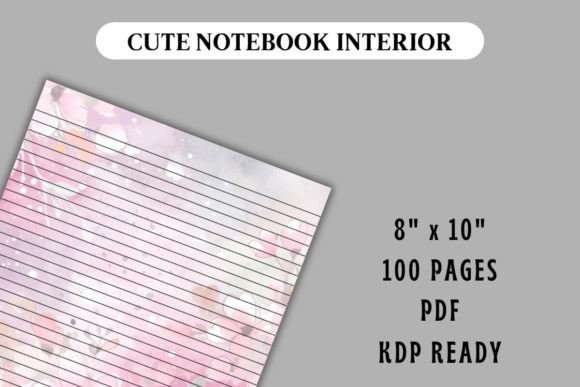
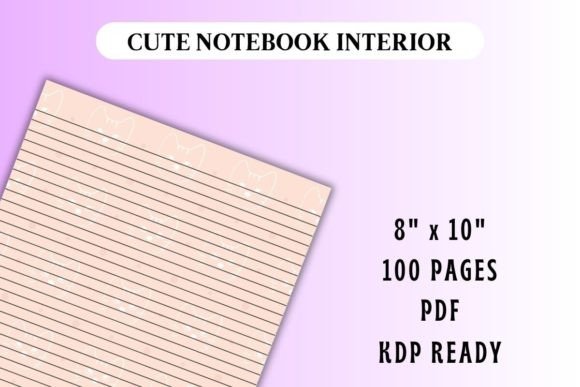
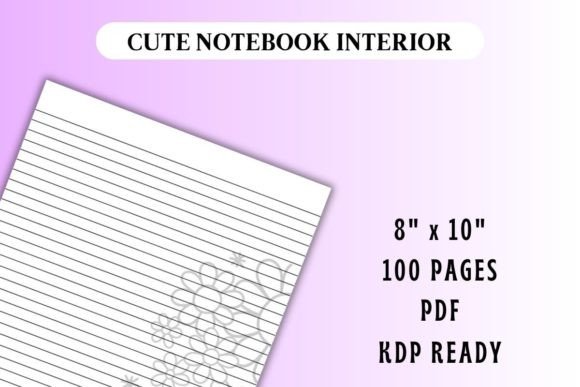
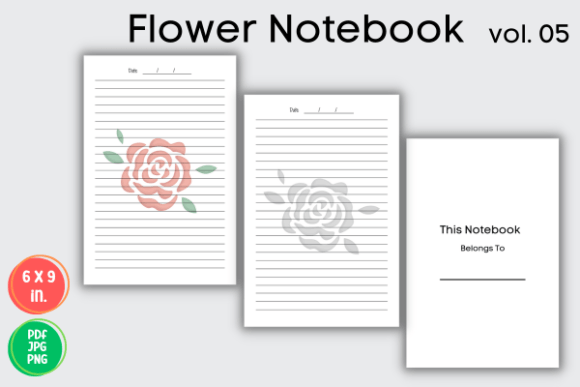
This particular release includes two distinct interior versions bundled together: one featuring colorful flower accents throughout the pages and a second version rendered in black and white. Each PDF contains 100 lined pages, giving you a full interior ready for printing, binding, or digital distribution. The dual-version approach means you receive two complete 100-page files, which opens up several practical paths depending on what you aim to create or how you prefer to write.
What Makes a Flower-Themed Lined Notebook Interior Useful
A notebook interior anchored by floral elements may sound purely decorative at first glance, but there is more to it than aesthetics. The gentle presence of flower motifs along the margins, corners, or headers of lined pages can soften the blankness of a standard ruled sheet. For writers who journal reflectively, sketch ideas between notes, or use notebooks as part of a creative practice, a subtle botanical frame shifts the atmosphere of the page. It signals something different from a sterile office notepad.
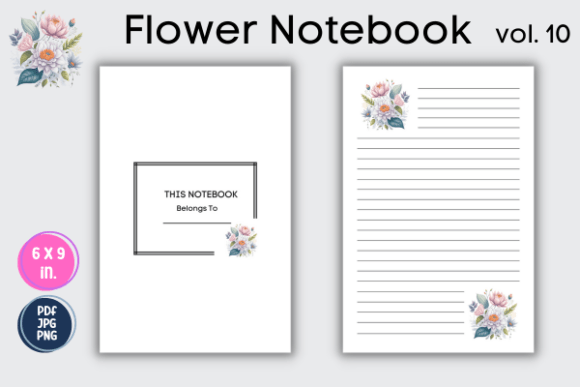
The Flower Notebook Vol. 05 lined interior integrates these floral touches without intruding on the writing space. The lines remain clean and usable. The flowers sit in their designated zones, offering just enough visual interest to make each page feel intentional rather than mass-produced. This balance is important because a notebook interior that overpowers the writing area quickly becomes frustrating. The design here respects the primary purpose of the page while adding a layer of warmth many users find motivating.
For KDP publishers, this kind of thoughtfully composed interior can reduce the time spent sourcing or designing page layouts from scratch. Instead of measuring margins, testing line spacing, or struggling with floral placements that look awkward when printed, you receive a finished file that has already resolved those details. That time savings translates into publishing more titles in less time or redirecting creative energy toward covers, marketing, and building a cohesive product line.
The Practical Advantage of Receiving Two Complete PDF Files
One of the more common frustrations in low-content publishing involves formatting a single design for different use cases after the fact. You might love a colorful notebook interior for printable products aimed at customers with color printers, but the same design, printed in grayscale, loses its clarity or appeal. Conversely, a black-and-white version works reliably across all printing scenarios but lacks the charm that draws certain buyers.
By including both a colorful version and a black-and-white version of the same 100-page lined flower notebook interior, Flower Notebook Vol. 05 removes that compromise. You can use the colorful PDF for premium printable listings, spiral-bound options where color printing is feasible, or digital planners intended for tablet use. The black-and-white file fits standard KDP paperback interiors, budget-friendly print runs, and customers who prefer a more subdued or classic look.
This dual-file structure also supports testing. If you are unsure which visual style resonates more with your audience, you can publish both variants under different titles or bundle them and observe buyer behavior. The low-cost nature of low-content publishing means small experiments like this carry minimal risk, and having both interiors ready from the start makes the testing process seamless.
Who Finds the Most Value in a Lined Flower Notebook Interior
Several distinct groups gravitate toward flower-adorned notebook interiors, and understanding why helps clarify where this product fits.
KDP authors and low-content publishers represent the most direct audience. These individuals build catalogs of notebooks, journals, composition books, and similar products. They need interiors that look polished, print reliably, and appeal to niche buyers searching for floral, botanical, or nature-inspired stationery. The 100-page count aligns well with Amazon's printing requirements and customer expectations for a notebook that feels substantial without being unwieldy.
Printable product sellers on platforms like Etsy benefit similarly. Their customers download PDF files and print them at home or through local print shops. Offering a colorful flower notebook interior and a black-and-white alternative within one product listing allows them to charge a higher perceived value or provide options that broaden their buyer pool. Someone printing from a home inkjet might prefer black and white to save ink, while another customer using a high-quality color laser printer wants the full visual experience.
Educators and coaches who create custom workbooks or reflection journals for clients and students may appreciate having a ready-to-use lined interior with a gentle, approachable aesthetic. A flower-themed notebook can soften the experience of guided journaling exercises, making the activity feel less clinical and more inviting. The interior-only format means they can add their own covers, instructions, or branding without navigating complex design software for the page layouts themselves.
Individuals seeking a personal journaling solution also find value here. A 100-page lined notebook with floral accents offers enough space for a focused project: a three-month gratitude practice, a travel journal, a creative writing container, or a space for processing thoughts during a transitional season. Having both colorful and black-and-white versions lets them choose based on mood, printer access, or the nature of the writing they intend to do.
How the 100-Page Structure Supports Different Goals
Page count influences how people use a notebook more than they often assume. A 50-page interior can feel too slim for a meaningful project, while 200 pages may intimidate someone who simply wants to start writing without a long-term commitment. The 100-page length of each PDF in Flower Notebook Vol. 05 occupies a practical middle ground.
For publishers, 100 pages produce a spine width that looks respectable on a bookshelf and feels substantial in hand without driving up printing costs excessively. For printable products, 100 pages print as a manageable stack that staples, binds, or hole-punches easily. For journalers, 100 pages represent roughly three months of daily writing at one page per day, which aligns naturally with quarterly goal-setting or seasonal reflection cycles.
The flower motif threaded through these pages can also serve as a subtle structural cue. When the floral design varies slightly from page to page or section to section, it creates natural visual breaks that help writers orient themselves within the notebook. Even a consistent floral element repeated throughout provides a sense of continuity that purely blank lined pages lack.
Integrating Flower Notebook Vol. 05 into a Publishing Workflow
Publishers building a brand around botanical, nature, or feminine aesthetic themes will likely find the flower notebook interior aligns with their existing catalog. The consistency of a recognizable floral style across multiple notebook titles can strengthen a brand identity, making repeat customers more likely to browse and purchase additional products.
A practical workflow might involve pairing this interior with several cover designs targeting different sub-audiences: a watercolor floral cover for artistic journalers, a minimalist typography cover with a single bloom for professionals, a vibrant botanical pattern for younger buyers, and a vintage pressed-flower style for an older demographic. Each combination creates a distinct product while sharing the same reliable interior. This approach reduces the per-product design workload while expanding a product line meaningfully.
For those who create printable bundles, combining the Flower Notebook Vol. 05 interior with matching items such as floral habit trackers, goal-setting worksheets, or note-taking templates builds a cohesive collection. Buyers appreciate when printables share a consistent visual language, and offering the interior as part of a larger set increases the perceived completeness of the bundle.
The Black-and-White Version: Understated Utility
The black-and-white flower notebook interior deserves specific attention because its strengths differ from those of the colorful version. Without color, the floral elements operate more like fine line art. They add texture and detail to the page without pulling focus from the content being written. For users who find colorful interiors distracting or who simply prefer a more restrained aesthetic, the monochrome version offers the best of both worlds: floral character without visual competition.
From a production standpoint, black-and-white interiors print more affordably and consistently across different paper types, printers, and binding methods. KDP's standard paperback printing handles grayscale interiors without the color printing surcharge, which can make a meaningful difference in royalty calculations. For printable products, black-and-white pages remove the variable of color calibration, ensuring that what the customer prints matches their expectations regardless of their equipment.
Considering Fit and Potential Limitations
No single notebook interior suits every purpose, and being clear about where Flower Notebook Vol. 05 fits best helps users make informed decisions. The floral theme, while versatile within its botanical niche, may not align with corporate branding, technical documentation, or audiences seeking a gender-neutral or ultra-minimalist presentation. Publishers serving those markets will likely want to look for interiors with different thematic elements or completely unadorned layouts.
The interior-only format also means that covers, trim sizes, and binding decisions rest entirely with the user. This provides flexibility but requires some familiarity with publishing or printing processes. Someone entirely new to KDP may need to pair this interior with a cover template and familiarize themselves with Amazon's submission requirements. The learning curve is modest, but it exists.
The 100-page length, while practical for many uses, might not suit every project. Publishers wanting a thicker premium feel may wish for 120 or 150 pages. Those creating lightweight, budget-friendly options may prefer 80 pages. Knowing your target customer's expectations around page count will help determine whether this interior fits your specific product goals.
Thoughtful Observations on Low-Content Product Quality
The low-content publishing space has grown crowded in recent years, and buyers have become more discerning. Notebooks with generic, hastily assembled interiors increasingly struggle to stand out or earn positive reviews. Small details, such as the quality of floral artwork, the consistency of line spacing, and the overall coherence of the page design, now factor into purchasing decisions and customer satisfaction.
Flower Notebook Vol. 05 reflects an awareness of this shift. The flower elements appear intentional rather than slapped on, and the lined structure provides a familiar, functional framework. For publishers aiming to build a reputation around thoughtfully designed products, starting with a well-crafted interior sets a higher baseline than beginning with a plain or carelessly decorated alternative.
Customers notice when a notebook feels like it was made by someone who cared about the experience of writing in it. The floral accents signal that care without being ostentatious, and the dual-version offering communicates an understanding that different situations call for different visual approaches. These perceptions, accumulated across many small interactions, contribute to the kind of brand trust that sustains a publishing business over time.
Using the Interior for Non-Publishing Purposes
Beyond commercial publishing, the flower notebook interior lends itself to personal and professional applications. A therapist might print sections for client journaling exercises. A workshop facilitator could include pages in participant packets. A writer working through a manuscript might use the lined flower notebook as a dedicated space for character sketches or plot notes, enjoying the botanical backdrop as a subtle creative stimulant.
The printable nature of the PDF files supports these varied uses seamlessly. Print one copy, ten copies, or a single section as needed. The flower design ensures that even casual, single-use printouts retain a polished, intentional appearance that plain lined paper cannot match. For anyone who regularly distributes writing materials to others, having a ready supply of attractive lined pages adds a professional touch with minimal effort.
Teachers of creative writing, mindfulness, or personal development may find the floral aesthetic particularly suitable. The natural imagery can support themes of growth, reflection, and organic unfolding, subtly reinforcing the content of the exercises printed or written on the pages. While this may seem like a small detail, the congruence between visual environment and subject matter often deepens engagement in ways participants may not consciously notice but reliably respond to.
Final Thoughts on Practical Application
The value of Flower Notebook Vol. 05 ultimately rests on execution. It provides a finished, print-ready foundation that eliminates the tedious aspects of interior design while leaving room for the publisher or user to shape the final product through cover choices, trim size, binding, and context. The inclusion of both colorful and black-and-white versions doubles the potential applications without doubling the cost or effort required.
For those building a low-content publishing catalog, expanding a printable product shop, or simply seeking a lined flower notebook interior that balances beauty with usability, this offering addresses a real need without overcomplicating the solution. The 100-page length, dual-format flexibility, and considered floral design work together to support a range of practical goals, from commercial product creation to personal reflective practice.
Taking the time to choose interiors that genuinely enhance the writing experience pays dividends in customer satisfaction, repeat purchases, and personal enjoyment of the finished notebook. The flowers on these pages do not demand attention. They simply make the act of filling each line feel a little more pleasant, and in a world where so much writing happens on screens, that small enhancement carries meaningful weight.