Floral Watercolor 4 Journal Interior
Imagine opening a fresh notebook and being greeted by delicate petals and soft watercolor washes instead of stark blank lines. That is the heart of this digital interior. It transforms an ordinary spiral-bound idea into a visually soothing experience. The floral artwork is subtle enough to keep the focus on your writing but present enough to make every page feel intentional. Because the background is already laid out for you, you skip the guesswork of designing pages from scratch while still offering a product that looks handcrafted.
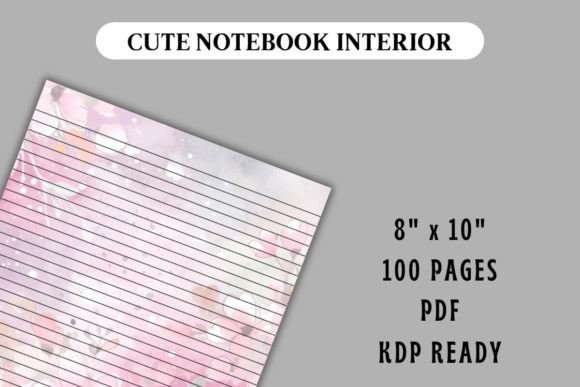
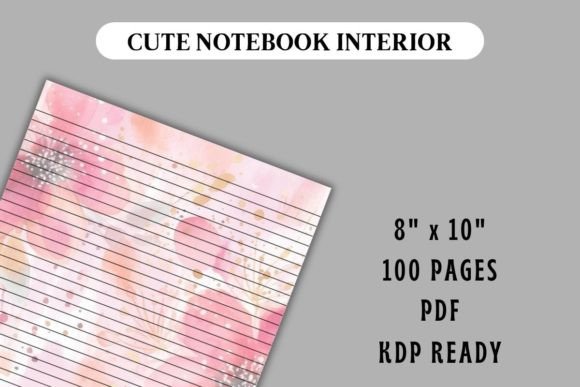
The file arrives as a single PDF sized at 8 x 10 inches. That trim size hits a sweet spot between portability and generous writing room. The 100‑page count gives plenty of space without becoming overwhelming or expensive to print on demand. Everything is pre‑formatted, so you can open your Kindle Direct Publishing dashboard, select the file, and move straight to the cover stage. There is no need to adjust margins, tweak bleed settings, or hunt down fonts that work. This simplicity matters most when you want to test a niche quickly or expand an existing product line without adding extra design hours.
What Defines a Watercolor Journal Interior
A low‑content book lives or dies by its repeatable pages. Here the repeatable pattern carries hand‑painted blooms in gentle pink, lavender, sage, and sky blue tones. The watercolor effect softens the edges of each flower, so the lines feel airy rather than rigid. Because the art is integrated into the background, the journal still offers clear line spacing for handwriting, sketching, or note‑taking. You get four distinct floral corner or border variations that rotate through the document. That small shift in each spread keeps the eye interested without distracting from what the user writes.
Many interior templates feel overly digital — crisp vectors and perfect symmetry. This one leans into the organic imperfections of water pigments bleeding into paper. That quality makes the printed book feel closer to a boutique stationery find than a mass‑produced notebook. For the creator, it means less competition on visual style. For the end user, it means a journal that feels like a small luxury item.
The 8 x 10 inch dimension plays nicely with standard printer paper sizes while standing out on an Amazon listing. It is large enough to accommodate bullet journaling spread designs, gratitude reflections, or meeting notes, yet it still fits comfortably on a desk. The pages are not lined in a traditional sense. The floral motifs frame designated writing zones, so the interior works like guided free‑space pages. That flexibility appeals to people who dislike rigid structure but still want a subtle framework to organize their thoughts.
Why a Ready‑to‑Upload PDF Solves Real Problems
Designing book interiors — even for no‑content or low‑content products — takes time. Finding the right watercolor assets, licensing them commercially, building a 100‑page document with consistent margins, and checking that every page looks correct can easily eat up a weekend. Many first‑time KDP creators give up at the formatting stage because a stray pixel or inconsistent page throw ruins the preview. With this product, that entire friction point disappears. You download the PDF, verify it looks right on your screen, and upload it.
Consider the person who wants to build a small passive income stream. They may have a day job, a family, or simply limited design experience. Spending eight hours aligning floral elements in Canva or InDesign feels discouraging. Here they can brand a cover, pair it with this interior, and have a complete product ready in under an hour. Even experienced sellers benefit because a unique aesthetic can breathe new life into a saturated journal category. Floral themes remain perennially popular, but too many interiors rely on clip‑art style daisies. The watercolor technique gives you a differentiated product that stands out in search thumbnails.
Practical Applications Across Different Audiences
The versatility of a floral watercolor journal interior reaches far beyond personal diaries. Because the design is elegant but not overly feminine, it crosses demographic boundaries smoothly. Below are real‑world ways different people put the interior to work.
- Gratitude and wellness journals. A counselor or life coach can private‑label the journal and give it to clients. The calming watercolor pages encourage a few minutes of daily reflection without feeling clinical. The 100 pages provide just over three months of daily entries, a perfect length for a structured program.
- Wedding or event guest books. Instead of a standard lined guest book, why not offer something that doubles as a keepsake? The floral motif complements garden weddings, spring events, or baby showers. Customers can write wishes, advice, or memories, and the art elevates the presentation.
- Creative writing and poetry notebooks. Writers often feel pressure staring at a blank white page. A softly illustrated background lowers that barrier and invites experimentation. The flower accents can even serve as gentle writing prompts — a budding poet might describe the bloom they see in the corner.
- Teacher appreciation and student rewards. Educators on a tight budget can print and bind these interiors as gifts for classroom volunteers or as prizes for reading goals. The compact 8 x 10 size works with comb binding machines commonly found in school offices.
- Business branding tools. Real estate agents, salon owners, or photographers can add their logo to a cover and gift the journal to high‑value clients. The floral watercolor interior suggests thoughtfulness and attention to detail, reinforcing a premium brand image.
What Makes This Interior Stand Apart from Alternatives
Search for journal interiors and you will find thousands of options. Most fall into two buckets: hyper‑minimalist line pages or overly busy patterns that compete with handwriting. This interior strikes a middle ground. The watercolor blossoms occupy the outer edges and corners, leaving generous center space. That layout respects the user’s content while adding enough visual warmth to make the act of writing pleasurable.
Another distinction is the color palette. The hues are muted but not dull. They scan beautifully in black‑and‑white print‑on‑demand production while shining in color printing if someone orders a premium copy. Many interiors force you to choose between grayscale compatibility and vibrant design; this one works well across both. It also avoids heavy ink coverage, which helps keep printing costs predictable for the creator and the buyer.
From a seller’s perspective, the interior fits seamlessly into the low‑content book business model. You can create a journal, a notebook, a sketchbook, or a composition book by adjusting only the cover. No need to swap interiors for each variation. The PDF contains exactly 100 pages. If your chosen platform requires a specific page count, you can easily note that in your listing. The 8 x 10 inch size is widely supported across KDP, IngramSpark, Lulu, and other print‑on‑demand services.
Where and How to Use the Floral Watercolor 4 Journal Interior
This digital product serves as a foundation, not a finished book. You bring the vision, the cover, and the listing. The PDF simply removes the technical barrier. That makes it suitable for a range of environments:
- Amazon KDP self‑publishing. Upload the interior directly. Set your price, link your cover, and publish. Because floral journals have steady year‑round demand, you avoid seasonal slumps. Spring and Mother's Day naturally spike interest, but gratitude and wellness niches sustain sales through all months.
- Etsy print‑at‑home downloads. Adjust your product offering to sell the PDF as a printable journal. Customers buy the file, print it at home, and bind it themselves. The 8 x 10 size prints cleanly on both US letter and A4 paper with minimal trimming.
- Local print shops and craft fairs. Print a small batch, add a spiral or perfect binding, and sell physical copies at markets. Because you own the digital file, you can reprint as needed without worrying about inventory.
- Membership or course bonuses. If you teach a journaling workshop or mindfulness course, include the interior as a student download. It adds tangible value to your curriculum and saves you from creating a workbook from scratch.
Important Considerations Before You Start
Even with a polished interior, a few thoughtful steps will improve your final product. These are not obstacles but simple checkpoints that ensure a smooth publishing process.
Cover design cohesion. The interior sets a soft, artistic tone. If your cover features harsh neon graphics or a completely unrelated theme, potential buyers may hesitate. Aim for a cover that echoes the floral and watercolor vibe. Even a simple typography‑based cover with a solid pastel background can work wonderfully.
Page bleed and trim. The PDF is formatted for 8 x 10 inches with appropriate margins for print‑on‑demand standards. Still, open the file and scroll through a few pages to confirm everything displays correctly on your screen. Occasionally, PDF viewers render watercolor transparencies slightly differently than a printer will. A quick review catches rare display anomalies.
Platform file requirements. KDP, for example, requires PDF files that meet specific page count, margin, and file size limits. This interior is built to align, but double‑check the upload preview after submission. If the automated checker flags a margin issue, you can usually resolve it by ensuring your cover file is sized precisely to the total page count.
Niche research. Even a beautiful interior performs better when paired with a specific audience. Instead of listing a generic "floral journal," consider targeting a subset: "Watercolor Gratitude Journal for Moms," "Floral Meditation Notebook," or "Blossom‑Inspired Poetry Book." Those focused titles help the right buyer find you faster.
Customer expectations. Since this is a digital file, buyers on platforms like Etsy need to understand they are purchasing a download, not a physical product. Use clear listing descriptions and images showing the printed result to manage expectations and reduce support queries.
Expanding a Product Line with One Interior
Smart creators treat a single interior as a launching point. Once the Floral Watercolor 4 Journal Interior is live, consider small tweaks that multiply your catalog without redoing the core file. You might bundle the PDF with a set of matching cover templates, giving new KDP sellers a complete starter kit. Or create a combined paperback series where each cover features a different flower variant — rose, peony, lavender — while the interior remains consistent. This approach saves time and builds brand recognition.
Another path is adding an introductory page with a personal note or usage guide. Open the PDF in a basic editing tool, insert a single text page at the beginning, and save. That small customization can justify a higher price point. Some creators insert a copyright page, a QR code to a companion resource, or a simple table of contents. Keep it minimal to preserve the low‑content appeal, but those extra touches signal quality to shoppers comparing similar options.
Keeping the End User in Mind
When someone receives the printed journal, they should feel invited to write. The pages should lay reasonably flat, the paper weight should handle a gel pen or fine‑tip marker without bleeding through, and the design should never overstimulate. None of that is within the direct control of a digital interior file, but you can influence it. When setting up your KDP listing, select cream or white paper options that complement watercolor tones. The cream paper option often enhances the soft, vintage feel of the floral art. Write your product description to suggest enjoyable writing tools — smooth rollerball pens, soft lead pencils, or pastel highlighters that match the page accents.
This interior shines as a foundation for thoughtful, small‑scale publishing. It removes heavy design lifting while leaving room for your creative direction on covers, marketing, and audience targeting. Whether you are building your first digital product or your fiftieth, having a ready interior that balances artistry with practicality saves time and opens up more room to focus on what truly connects with buyers — the promise of a calm, inviting space to capture life on paper.