Cyan Watercolor Journal Interior for KDP Success
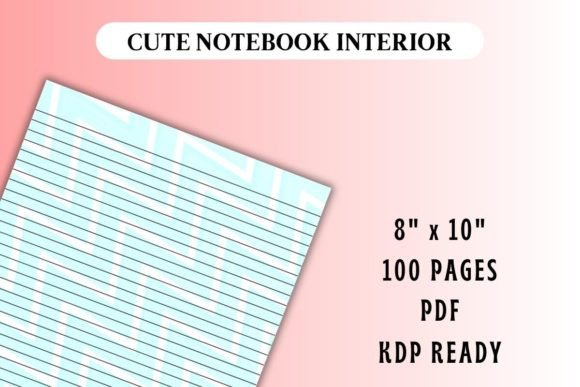
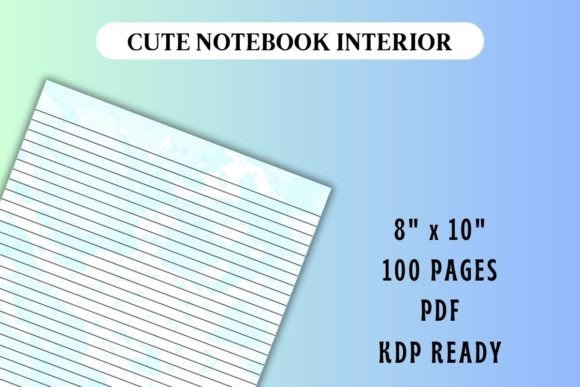
The difference between a forgettable notebook and one that customers pick up again and again often starts with what’s inside. For anyone publishing low-content or no-content books on Amazon KDP or other print-on-demand platforms, the interior design does heavy lifting. A Cyan Watercolor Journal Interior brings a specific mood — calm, creative, and subtly sophisticated — that resonates with buyers looking for something beyond plain lined pages. This digital download gives you a complete 100-page, 8 x 10 inch PDF ready to upload as is, so you can focus on building your brand rather than staring at a blank artboard.
Why Interior Design Shapes the Reader’s First Impression
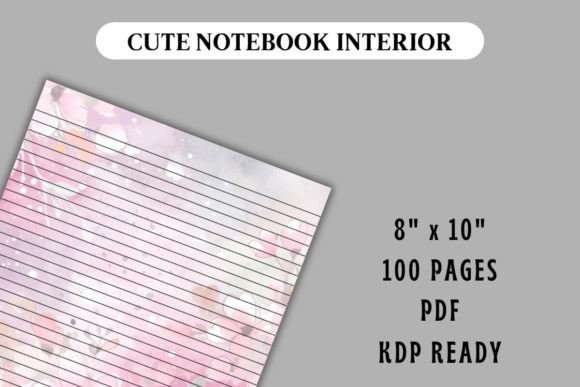
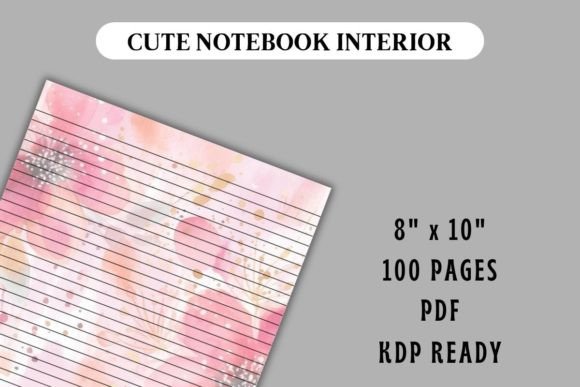
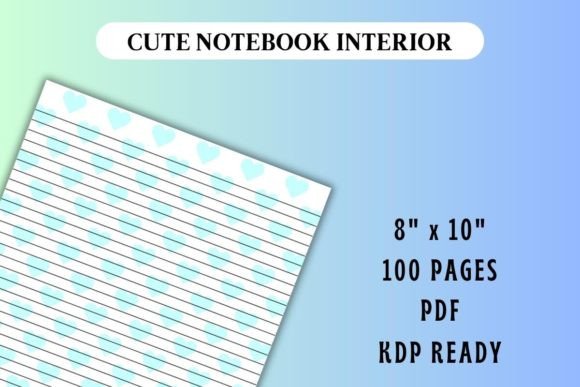
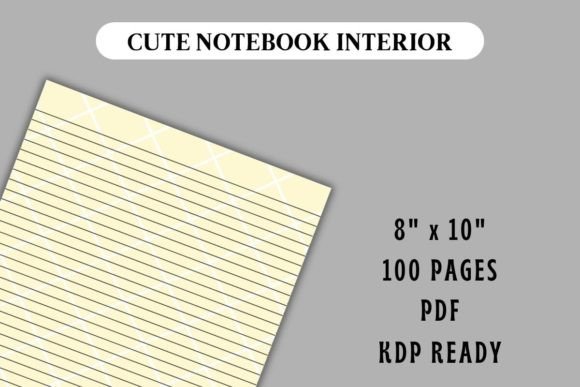
When someone flips through a journal on a product listing’s “Look Inside” feature, the pattern, paper tone, and layout all communicate value before a single word is written. A wash of soft cyan watercolor texture creates a gentle backdrop that feels intentional, not accidental. It signals that the publisher cared enough to choose something beautiful. With this Cyan Watercolor Journal Interior, every one of the 100 pages carries that same cohesive hand-painted aesthetic. The light, flowing pigment suggestions avoid distracting from the writing experience while still making blank spaces feel inviting rather than intimidating. This matters especially for gratitude journals, mindfulness notebooks, creative sketchbooks, or any book where the user expects a certain atmosphere.
The consistent, repeating design also eliminates a common complaint: interiors that look inconsistent or randomly assembled. Because the file is a single PDF, you upload once, and the entire notebook keeps the same gentle watercolor flow. That visual steadiness can encourage longer writing sessions and give the finished physical book a premium feel. Even if the cover does the initial attracting, the interior confirms whether the buyer made a good choice — and whether they’ll come back to your brand for more.
Who Gains the Most from a Ready-Made Watercolor Interior
Not every publisher has the time, software, or design eye to build a full 100-page notebook interior from scratch. The Cyan Watercolor Journal Interior serves a wide band of creators who want a professional finish without the learning curve. Self-publishing authors exploring the low-content space find it especially useful. A wellness coach, for example, might want to release a guided reflection journal that matches their brand colors. By starting with this interior, they skip the trial and error of watercolor brush experiments and can publish faster — sometimes the same day.
Small business owners who use custom notebooks as client gifts or promotional items also benefit. Instead of ordering expensive bulk prints from a third party, they can set up a private KDP listing, order author copies at cost, and have high-quality journals on hand. The 8 x 10 inch trim size is large enough to feel substantial but still portable, making it a good fit for desk use, workshop handouts, or event giveaways. Because the file is a PDF, there’s no need to convert or adjust file types before uploading to most print-on-demand services.
Freelancers and marketers who manage multiple brands often need to create niche-specific products quickly. One month it’s a tarot journal, the next it’s a project planner. With a versatile cyan watercolor base, the neutral color palette suits everything from spiritual content to corporate brainstorming. The soft blue hues read as professional without being cold, and creative without being childish. That wide appeal reduces the risk of a product sitting unsold because the style doesn’t match the niche.
Creative Professionals Who Want to Stand Out
Artists, illustrators, and surface pattern designers sometimes use low-content books as an extension of their creative portfolio. The Cyan Watercolor Journal Interior offers a collaborative starting point. An illustrator might pair the interior with a cover featuring their own artwork, knowing the inside won’t clash. The gentle watercolor wash acts like a silent partner — present enough to add texture, but transparent enough to let the cover shine. This is where understanding the interplay between interior and cover becomes a publishing advantage. A busy cover can overwhelm, but the calm interior restores balance. Customers who receive the book sense that harmony, often without being able to articulate it.
Practical Time and Cost Savings That Add Up
Designing a 100-page interior manually typically involves setting up master pages, adjusting margins, checking bleed, and aligning every element across dozens of spreads. Even with templates, that process can take hours. The Cyan Watercolor Journal Interior removes all of that. The PDF file is pre-paginated, properly sized at 8 x 10 inches, and formatted so you simply upload and publish. There’s no hidden step of extracting pages or rearranging content. For a first-time publisher, this can be the difference between giving up out of frustration and launching their first product successfully.
Time isn’t the only resource conserved. Back-and-forth revisions with freelance designers can cost money and introduce delays. By using a fixed, polished interior, you set a reliable quality bar. You can then reinvest saved energy into marketing the book, researching keywords, or creating a series. A consistent interior cosmetic also allows for easy bundling later. You could publish a lined version, a dot grid version, and a blank sketchbook version using the same cyan watercolor texture, creating a brand look customers recognize without additional design expense.
Reducing the Guesswork in Print Specifications
Print-on-demand platforms have strict technical requirements. If your interior file has incorrect margins, low resolution, or the wrong color profile, books get rejected or customers complain. The PDF included here is intentionally built to minimize those risks. It follows standard KDP interior guidelines (though you should always check the latest specifications on your chosen platform). The watercolor elements are embedded at a resolution that prints clearly without creating massive file sizes that slow down processing. Because the background isn’t stark white but a soft, subtly textured wash, small printing variations that might look like flaws on pure white paper tend to blend more naturally. This is a quiet advantage — fewer returns and fewer printing complaints often come from interiors that cooperate with the limitations of print technology.
When This Interior Might Not Be the Perfect Fit
No single design works for every project. The Cyan Watercolor Journal Interior carries a specific watery, artistic feel. If your book targets a highly technical, industrial, or minimalist audience that expects crisp lines and zero texture, the watercolor effect could feel out of place. In those cases, a solid color or completely blank interior might better serve the brand tone. It’s also worth noting that the file provides one consistent interior; it doesn’t include variations for lined, dotted, or graph paper within the same PDF. That uniformity is a strength for simplicity, but if your product description promises mixed page styles, you’d need to combine this with other files or modify it.
The 8 x 10 inch trim size is popular but not universal. If your audience prefers A5, square, or digest formats, confirm whether you can upload this file without distortion. Scaling a PDF may introduce issues, so it’s usually better to use a file made for the final trim size. Keep this in mind as you plan your catalog. The good news is that the watercolor texture concept often works well in multiple sizes, and having one reliable option can still launch several successful titles while you source other dimensions.
Using the Digital File Beyond Just Notebooks
While the obvious use is a straightforward journal, the Cyan Watercolor Journal Interior serves other low-content formats effectively. Consider a daily reflection diary where each page offers a lightly structured prompt area. Because the watercolor background is already applied, you can add text overlay in a free PDF editor or design software, keeping the same gentle texture underneath. This transforms the blank canvas into a guided workbook without losing the artistic feel. Coaches and course creators can benefit here: they drop in questions, headings, or affirmation statements, and the interior instantly elevates the perceived value of the material.
Recipe journals, travel logs, and even meeting notebooks can adopt this interior. The soft cyan tone has an uncanny way of making handwriting look more intentional — almost like ink on handmade paper. That’s a small psychological lift that can turn a one-time purchase into a favorite tool the customer replaces or gifts. Combining it with an appropriate cover (think linen textures, botanical illustrations, or simple typography) amplifies the effect without extra work.
How to Get the Most Out of a Ready-to-Upload Interior
Start by visualizing the end user. If you’re creating a guided morning pages journal, imagine someone opening it in low light with a cup of coffee. The watercolor wash should feel like a quiet invitation, not a distraction. Pair the interior with a cover that sets the emotional tone, whether that’s serene, energizing, or introspective. Then, before uploading, open the PDF and scroll through every page. Confirm that the bleed areas (if any) and margins look correct on your screen. Although the file is pre-tested, different POD services may have minor shifts. A quick review catches any anomalies early.
When you list the book, mention the interior design in the product description. Phrases like “soft watercolor pages” or “artistic cyan-tinted sheets” help buyers understand what makes the notebook different. This transparency can increase trust and also improve keyword relevance organically. Since the interior is unique, your listing stands apart from thousands of generic blank books. That differentiation matters in crowded KDP categories.
Combining with Other Products for a Cohesive Line
Publishers who build a brand often repeat visual elements. The Cyan Watercolor Journal Interior can be the anchor. You might use it for a lined journal, then create a dot grid version using a similar file, and a blank sketchbook. The watercolor texture remains the unifying theme. This technique signals to buyers that your products belong to a larger collection, encouraging multi-purchases. It also simplifies inventory: you can market a watercolor journal series without explaining a different interior concept each time. The digital PDF file approach makes scaling this way efficient: no physical stock, no per-unit design fee, just the original purchase and as many uploads as you need for personal or commercial use within the allowed license terms.
Consider, too, that the cyan watercolor aesthetic pairs well with navy, teal, gold, and cream cover colors. If you design your own covers or collaborate with a cover designer, you can create a palette kit that members of a membership site or course receive as a bundle. The interior becomes more than a PDF — it becomes a reusable design asset that grows in value the more you understand your audience’s tastes.
Making the Decision with Confidence
Investing in a ready-made interior should feel like removing a bottleneck, not adding another file to sort through. The Cyan Watercolor Journal Interior delivers exactly that: a practical shortcut with an artistic edge. For the busy entrepreneur, the creative coach, or the side-hustling publisher, digital products like this shift focus from production to connection. The person who ultimately writes in the journal won’t know or care how you made it; they’ll simply enjoy the seamless feeling of turning pages that look as good as the cover promised.
You can always test the interior with a single title and modest marketing effort to gauge response. Because the file is ready to upload, the barrier to experimentation stays low. If the watercolor pages resonate with your buyers, you’ll know quickly through reviews and repeat sales. If not, you’ve learned something valuable about your niche without having spent days designing. That’s the kind of practical, low-risk exploration that keeps creative publishing sustainable and enjoyable over time.
The landscape of low-content books rewards those who elevate the ordinary just enough to catch a scrolling eye. A thoughtful interior like this one offers that gentle lift. It respects the craft of journaling while making the publisher’s job simpler. By choosing a Cyan Watercolor Journal Interior, you’re not just buying pages — you’re giving yourself the room to focus on what truly makes your book unique: the vision you bring to the finished product.