120 Animal Coloring Pages: Crafting a Unique KDP Interior That Sells
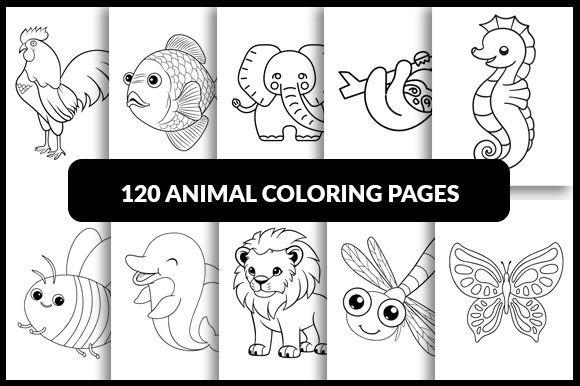
When you download a collection of 120 Animal Coloring Pages formatted for Kindle Direct Publishing, you aren't just acquiring image files. You're receiving a base layer for a product that requires strategic thinking, market awareness, and intentional design choices. The zip file containing high-resolution JPG, PDF, and PNG formats at 300 DPI—already sized at 8.5×11 inches—solves several technical headaches. But the real work begins when you decide how to transform those black-and-white illustrations into a book that earns consistent royalties rather than simply joining a sea of interchangeable coloring books.
What the 120 Animal Coloring Pages Asset Actually Offers
At its core, this download provides 120 ready-to-upload pages that meet KDP's technical specifications. Each design is print-ready, with clean lines, proper margins, and a resolution that prevents blurring on physical pages. The inclusion of multiple file formats (JPG, PDF, PNG) gives you flexibility—you can rearrange pages, add your own branding, or even combine subsets into themed collections without re-rendering everything from scratch. The 300 DPI standard means images stay crisp when printed on demand, which directly affects customer satisfaction and return rates.
But the asset's value extends beyond technical compliance. For self-publishers, designers, or side-hustle entrepreneurs, these 120 pages can serve as a testing ground. Before commissioning custom artwork or spending weeks illustrating, you can validate whether an animal-themed coloring book resonates with your target audience. The low upfront cost lowers the financial risk of experimentation, but that doesn't remove the need for thoughtful execution.
Why Thoughtful Curation Outperforms Bulk Uploading
The most common mistake with ready-made interiors is treating them as finished products. Uploading the file as-is and expecting to dominate the "adult coloring books animals" category rarely works. Instead, approach the 120 Animal Coloring Pages as raw material. Consider segmentation: break the collection into smaller, niche-focused books. A 50-page volume on woodland creatures appeals differently than a 50-page book of exotic safari animals, even if both source their pages from the same master file. This not only lets you create multiple products from one download but also allows you to tailor keywords, cover designs, and descriptions to specific buyer intent.
Adding value through page composition also matters. Many purchasers of coloring books appreciate a mix of simple and complex designs, or pages that include fun facts about each animal. You might intersperse blank pages to prevent bleed-through, add a "This Book Belongs To" page, or include a few introductory pages about coloring techniques. These small additions signal that your book is crafted with the end user in mind, not just churned out to grab a quick sale.
Aligning the Interior with a Publishing Plan
Before you open the zip file, get clear on your publishing goals. Are you building a brand of relaxation-focused activity books for stressed professionals? Do you want to dominate a specific seasonal niche—such as a cute Halloween coloring book that blends animals with festive elements? The download description mentions high-resolution cute Halloween designs, which suggests you might pair selected animal pages with themed pages for a hybrid book that capitalizes on seasonal demand. A book that mixes 80 animal illustrations with 40 Halloween animal hybrids, for instance, could stand out during October while still selling year-round.
This kind of planning transforms a generic asset into a strategic product. Map out your release calendar. If you're publishing multiple coloring books, coordinate the visual style so customers recognize your brand. Use the same font for titles, consistent cover layouts, and a recognizable interior structure. The underlying animal illustrations become a cohesive library you can draw from repeatedly, not a one-shot product.
Using Data to Shape Page Selection
Instead of including all 120 images in a single book, study what's already selling. Look at best-seller lists in the coloring book category and note recurring themes: mandala-style animals, realistic wildlife, chunky illustrations for toddlers, humorous animal scenes, or mindfulness patterns. Then audit your downloaded pages. Which ones fit trending subcategories? You might find that 40 pages work well for a stress-relief animal coloring book for adults, while another 60 suit a simpler children's activity book. Matching the asset to identifiable demand reduces the guesswork and gives your product a fighting chance from day one.
The Customer Experience Perspective
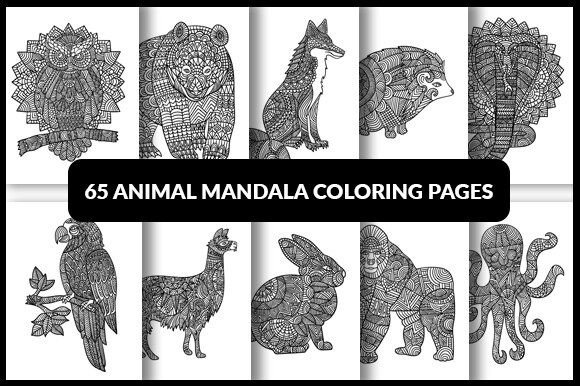
Coloring book buyers have specific, often unspoken expectations. They want single-sided printing (or at least designs that don't sacrifice usability if printed double-sided). They expect clear, bold lines that don't disappear under colored pencil or marker. They appreciate a good variety—too many similar animals on consecutive pages lead to boredom. When you structure your interior using the 120 Animal Coloring Pages, manually sequence the pages to alternate complexity, species, and style. Place a highly detailed mandala lion next to a simpler cartoonish sloth, for example. This pacing keeps the coloring experience engaging.
Another overlooked factor is the paper test. Before finalizing the PDF, print several pages at home on standard copy paper, then color them using the tools your target customer is likely to use (cheap colored pencils, gel pens, alcohol markers). Ink bleed-through, line thickness that smudges, or overly intricate details that frustrate rather than relax all become immediately apparent. Adjusting contrast or line weight in an image editor takes extra time but pays off in better reviews.
Risks of Deploying the Asset Without Clear Goals
Dropping 120 pages into a KDP template and hitting "publish" might yield a few sales by accident, but it rarely builds a sustainable income stream. The primary risk is commoditization. When many sellers use the same source files, price wars ensue, and the only differentiator becomes how low you're willing to drop your royalty. Customers eventually notice duplicate interiors under different brand names, leading to distrust and negative feedback that can affect your entire author account.
Another risk is misalignment with search intent. A book titled "120 Animal Coloring Pages" competes directly with the asset's own name and every other seller who uses it verbatim. A more strategic title might be "Woodland Wonders: An Adult Coloring Book of Forest Animals for Mindfulness and Relaxation." That targets specific keyword phrases, sets expectations, and feels original—even if the interior illustrations come from the same source. Investing time in positioning before uploading protects your listing from being indistinguishable from dozens of others.
Long-Term Value Beyond a Single Book
The 120 Animal Coloring Pages can serve as a foundational asset for a series. Once you validate a niche with your first book, create spin-offs: pocket-sized editions, coloring journals that combine illustrations with lined pages for journaling, or holiday variations where animals wear Santa hats or Halloween costumes. Because you have the original high-resolution files, you can repurpose individual pages across multiple products without repurchasing. A single penguin illustration might appear in a winter-themed coloring book, then later in a "Baby Animals" compilation, then again in a "Christmas Critters" seasonal edition.
Consider bundling physical books with other products. If you sell printable coloring pages on platforms like Etsy, the same images (exported as individual PNG files) can become a digital product line. A KDP book establishes your brand, while printable listings generate immediate downloads with no printing costs. The asset's 300 DPI resolution ensures visual consistency across both formats, reinforcing a professional image.
Practical Steps Before Upload
- Audit all 120 pages. Open every file and categorize by style, complexity, and animal category. Delete any duplicates or near-duplicates that undercut variety.
- Decide on book structure. Will you publish one large volume or several shorter ones? How many pages? Include front matter like a title page, copyright, and a table of contents if appropriate.
- Enhance user experience. Add a "test color" page, tips for best results, or a small section introducing each animal with a fun fact. These details increase perceived value.
- Test print quality. Use your home printer to check a representative sample. Look for thin lines that break, overly dark areas that become muddy, or margins that cut off content.
- Design a cover that tells a story. Your interior might be sourced, but the cover must be original and compelling. It's the first—and often only—chance to convince a browser to click.
- Write a description that focuses on the buyer's outcome. Instead of listing page counts and file specifications, talk about relaxation, creativity, family bonding, or screen-free entertainment.
When This Asset Makes Strategic Sense
Not every publisher needs a ready-made interior. If you have strong illustration skills and a unique artistic voice, you might be better off creating original content that builds a defensible moat. However, the 120 Animal Coloring Pages becomes a smart move when you want to test the waters quickly, when you're diversifying an existing catalog with a low-cost product line, or when you're operating on a tight budget and need to launch something in days rather than months.
It also works well for those who excel at marketing rather than art. If your strength lies in keyword research, category analysis, or building social media audiences around coloring communities, then starting with a solid, technically ready interior frees you to focus on what you do best. The asset becomes a canvas for your strategic thinking, not a substitute for it.
Moving Beyond the Download
Once your book is live, observe buyer behavior. Which pages do reviewers mention? Are there requests for specific animals or styles? Use that feedback to inform your next release. Maybe you discover that customers love the realistic wolf and bear illustrations but ignore the cartoonish frogs. You can then curate future books to lean into the preferred aesthetic, even if you continue sourcing from the same base pack.
Treat the 120 Animal Coloring Pages as a learning tool as much as a product ingredient. The process of selecting, sequencing, enhancing, and positioning these pages will teach you more about the low-content book market than any course. You'll develop an instinct for what makes an interior feel complete, how many pages strike the right balance between value and overwhelm, and which keywords attract buyers who actually leave reviews instead of just downloading and disappearing.
In the end, the success of your KDP book doesn't hinge on whether the illustrations were hand-drawn by you or licensed from a creative marketplace. It hinges on whether you made deliberate choices that put the end user's experience first. The 120 Animal Coloring Pages download gives you a launchpad. Building a flight path that leads somewhere interesting remains entirely your responsibility.